

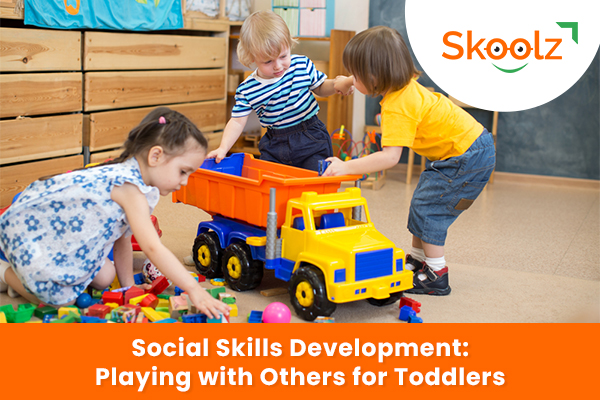



Toddlers are at a crucial stage of development, where they begin to explore the world around them and interact with others. One essential aspect of their growth is the development of social skills. Playing with others not only provides entertainment but also serves as a valuable opportunity for toddlers to enhance their social abilities. In this blog, we will explore the importance of playing with others for toddlers and provide tips on how to facilitate their social skills development through play.
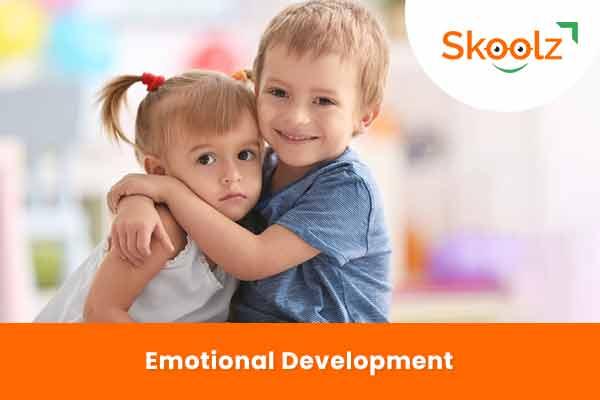
1. Emotional development:

Playing with other children helps toddlers understand emotions, express themselves, and learn empathy.
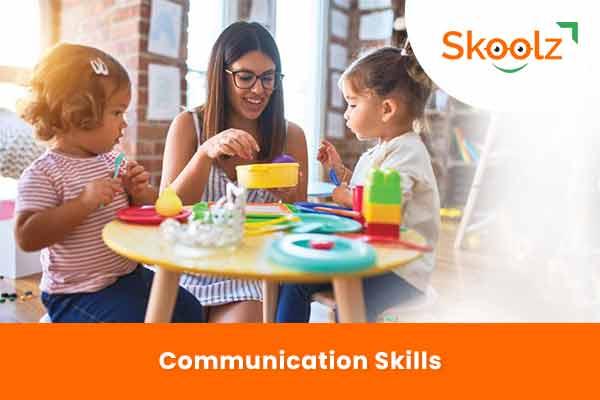
2. Communication skills:

Interacting with peers during playtime allows toddlers to improve their language skills and learn how to express their needs and ideas effectively.
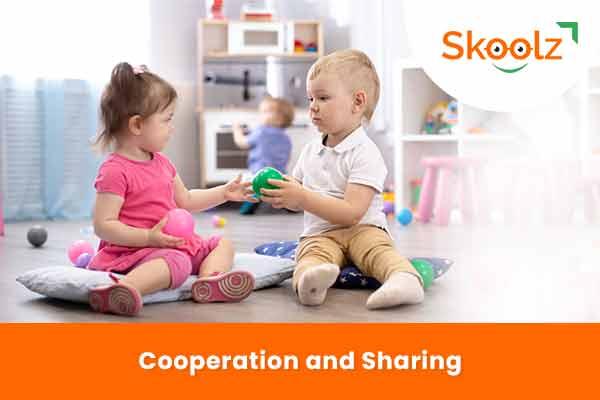
3. Cooperation and sharing:

Playing with others teaches toddlers the significance of sharing, taking turns, and cooperating, fostering the development of crucial social skills.
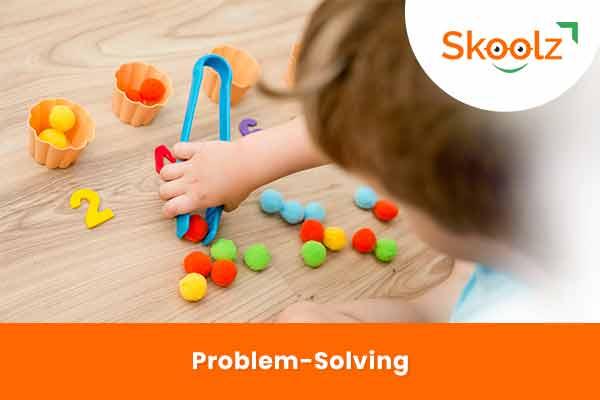
4. Problem-solving:

Collaborative play encourages toddlers to find solutions together, enhancing their problem-solving abilities and critical thinking skills.
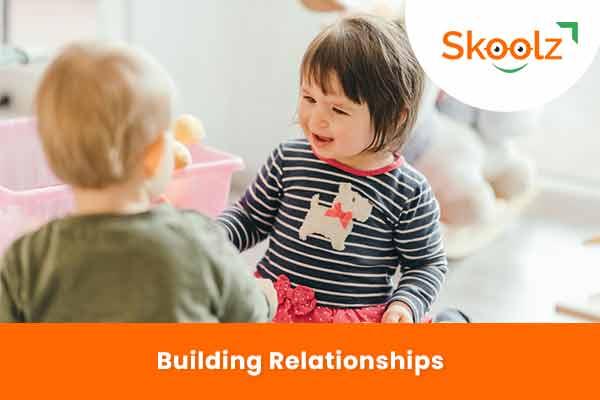
5. Building Relationships:

Through play, toddlers form friendships and develop a sense of belonging, laying the foundation for future social interactions.
1. Arrange playdates:

Organize playdates with other toddlers to provide opportunities for social interaction and shared play experiences.
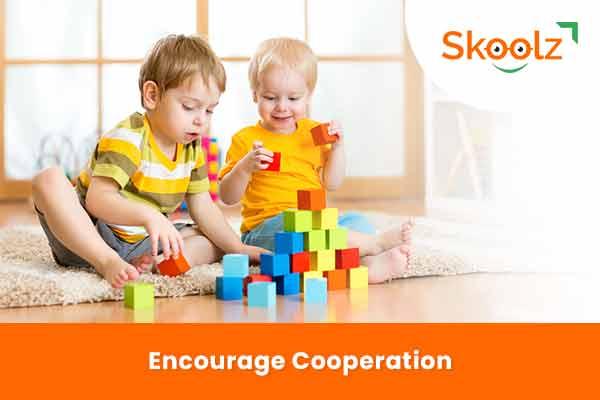
2. Encourage cooperation:

Engage toddlers in group activities that require cooperation, such as building blocks together or working on a puzzle as a team.
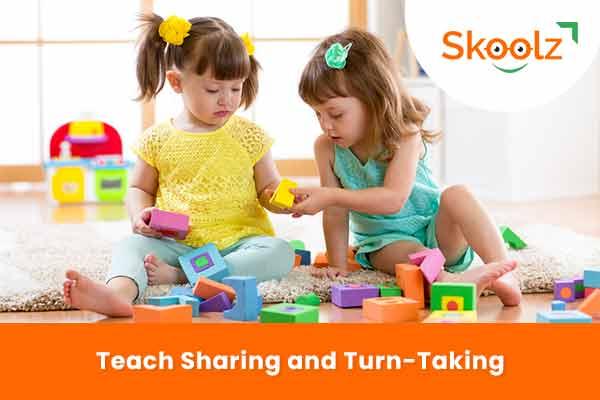
3. Teach sharing and turn-taking:

Emphasize the importance of sharing toys and taking turns during playtime to instill the values of fairness and cooperation.
4. Foster communication:

Engage toddlers in conversations, ask open-ended questions, and encourage them to express their thoughts and feelings verbally.
5. Model positive behavior:

Be a role model by demonstrating kindness, respect, and good manners during interactions with others, teaching toddlers by example.
FAQs:
Q1: What if my toddler is shy and reluctant to play with others?
A: Shyness is natural, but you can gently encourage your toddler to participate in group play by starting with smaller, familiar groups and gradually expanding their social circle.
Q2: How long should toddlers play with others each day?
A: The duration may vary depending on your toddler's age and preferences. Aim for at least 30 minutes to an hour of social play each day, allowing for breaks as needed.
Q3: What if my toddler struggles with sharing and taking turns?
A: Patience is key. Encourage your toddler to share by providing guidance and modeling the behavior. Offer praise and positive reinforcement when they exhibit sharing and turn-taking skills.
Q4: Are there any warning signs that indicate a delay in social skills development?
A: Every child develops at their own pace. However, if you notice significant delays or persistent difficulties in social interactions, consider consulting with a pediatrician or child development specialist for guidance.
Conclusion:
Playing with others is a crucial component of social skills development for toddlers. It provides them with valuable opportunities to learn empathy, communication, cooperation, problem-solving, and relationship-building. By creating a supportive environment and incorporating these tips into playtime, parents and caregivers can help toddlers thrive socially and lay the foundation for positive social interactions in the future.

Bhawana Mohane
Digital Marketer
Toddlers are at a crucial stage of development, where they begin to explore the world around them and interact with others. One essential aspect of their growth is the development of social skills. Playing with others not only provides entertainment but also serves as a valuable opportunity for toddlers to enhance their social abilities. In this blog, we will explore the importance of playing with others for toddlers and provide tips on how to facilitate their social skills development through play.
1. Emotional development:

Playing with other children helps toddlers understand emotions, express themselves, and learn empathy.
2. Communication skills:

Interacting with peers during playtime allows toddlers to improve their language skills and learn how to express their needs and ideas effectively.
3. Cooperation and sharing:

Playing with others teaches toddlers the significance of sharing, taking turns, and cooperating, fostering the development of crucial social skills.
4. Problem-solving:

Collaborative play encourages toddlers to find solutions together, enhancing their problem-solving abilities and critical thinking skills.
5. Building Relationships:

Through play, toddlers form friendships and develop a sense of belonging, laying the foundation for future social interactions.
1. Arrange playdates:

Organize playdates with other toddlers to provide opportunities for social interaction and shared play experiences.
2. Encourage cooperation:

Engage toddlers in group activities that require cooperation, such as building blocks together or working on a puzzle as a team.
3. Teach sharing and turn-taking:

Emphasize the importance of sharing toys and taking turns during playtime to instill the values of fairness and cooperation.
4. Foster communication:

Engage toddlers in conversations, ask open-ended questions, and encourage them to express their thoughts and feelings verbally.
5. Model positive behavior:

Be a role model by demonstrating kindness, respect, and good manners during interactions with others, teaching toddlers by example.
FAQs:
Q1: What if my toddler is shy and reluctant to play with others?
A: Shyness is natural, but you can gently encourage your toddler to participate in group play by starting with smaller, familiar groups and gradually expanding their social circle.
Q2: How long should toddlers play with others each day?
A: The duration may vary depending on your toddler's age and preferences. Aim for at least 30 minutes to an hour of social play each day, allowing for breaks as needed.
Q3: What if my toddler struggles with sharing and taking turns?
A: Patience is key. Encourage your toddler to share by providing guidance and modeling the behavior. Offer praise and positive reinforcement when they exhibit sharing and turn-taking skills.
Q4: Are there any warning signs that indicate a delay in social skills development?
A: Every child develops at their own pace. However, if you notice significant delays or persistent difficulties in social interactions, consider consulting with a pediatrician or child development specialist for guidance.
Conclusion:
Playing with others is a crucial component of social skills development for toddlers. It provides them with valuable opportunities to learn empathy, communication, cooperation, problem-solving, and relationship-building. By creating a supportive environment and incorporating these tips into playtime, parents and caregivers can help toddlers thrive socially and lay the foundation for positive social interactions in the future.

Bhawana Mohane
Digital Marketer