

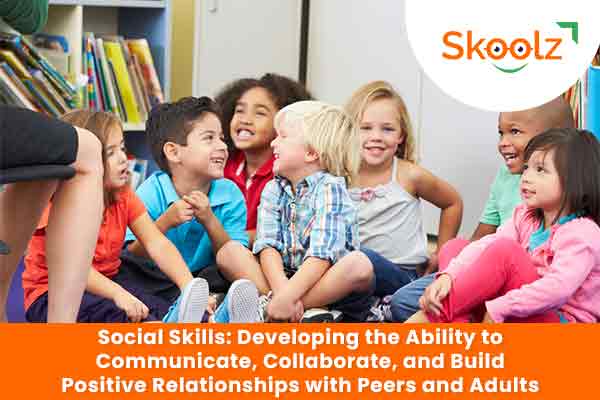

Social skills play a crucial role in a student's overall development and future success. At Skoolz.in, we understand the importance of nurturing these skills in students. In this blog, we will explore strategies and approaches that parents and educators can use to help students develop their social skills, enabling them to communicate effectively, collaborate, and build positive relationships with peers and adults.

Active Listening: Teach students to actively listen to others, demonstrating empathy and understanding.
Verbal and Non-Verbal Communication: Encourage clear and respectful verbal communication while also addressing the importance of non-verbal cues like body language and facial expressions.

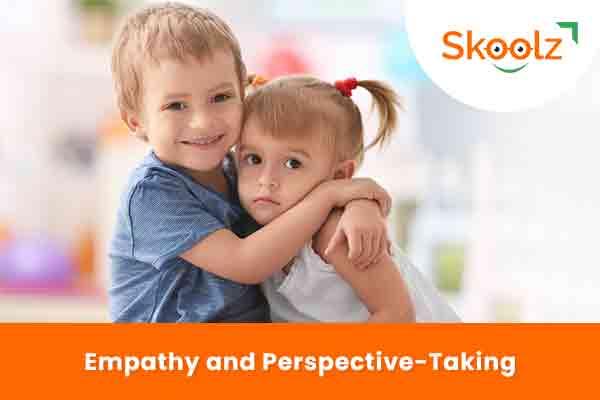
Role-Playing: Engage students in role-playing activities that help them understand different perspectives and emotions.
Reading Literature: Use literature and storytelling to explore characters' feelings and experiences, promoting empathy.

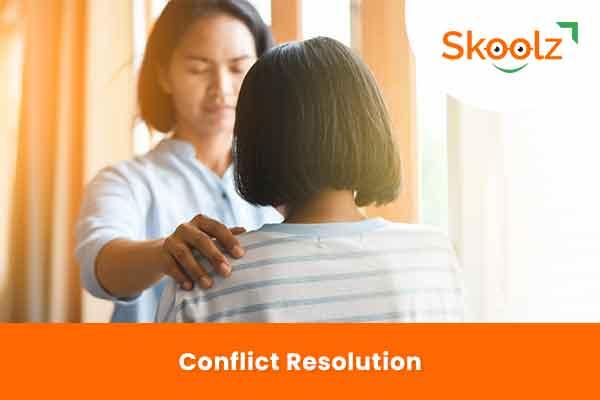
Mediation Skills: Teach students how to mediate conflicts and find solutions that satisfy all parties involved.
Cooling-Off Strategies: Provide tools for managing and defusing conflicts, such as taking breaks and using "I" statements.

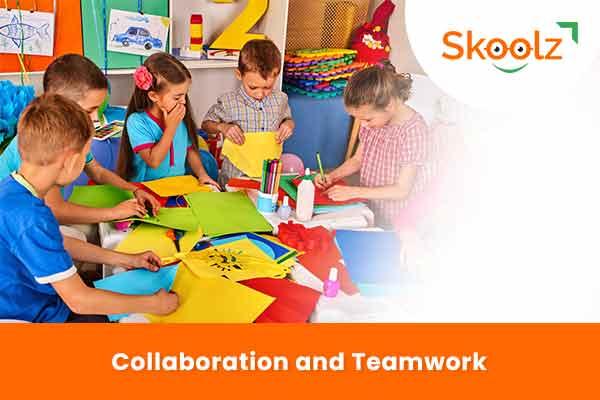
Group Projects: Assign group projects that require students to work together, fostering collaboration and collective problem-solving.
Peer Teaching: Encourage students to teach and learn from each other, promoting peer support and collaboration.

Friendship Skills: Discuss the qualities of a good friend and the importance of building and maintaining positive friendships.
Respect and Inclusivity: Promote a culture of respect, inclusivity, and appreciation for diversity among students.

Expressing Needs: Teach students to express their needs and concerns to peers and adults in a respectful and assertive manner.
Seeking Help: Encourage students to seek help when needed, whether from teachers, counselors, or parents.

Online Etiquette: Educate students about responsible online behavior, including cyberbullying prevention and safe internet use.
Critical Media Literacy: Develop critical media literacy skills to evaluate and respond to media messages effectively.

Healthy Boundaries: Discuss the importance of setting and respecting personal boundaries in relationships.
Stress Management: Provide stress management techniques and strategies for dealing with challenging social situations.

Family Communication: Create an open environment at home for discussing social issues and concerns.
Modeling Behavior: Demonstrate positive social skills in parent-child interactions, serving as role models.

Peer Mentoring: Implement peer mentoring programs that pair older students with younger ones to provide guidance and support.
Mentorship Opportunities: Offer students the chance to connect with adults who can serve as mentors and provide guidance.

Community Service: Encourage students to participate in community service projects that promote social responsibility.
Community Building: Foster connections with the local community to develop a sense of belonging and civic engagement.
Conclusion:
Developing social skills is a collaborative effort between parents, educators, and the community. Skoolz.in is dedicated to assisting parents and educators in this mission, providing resources and guidance to help students communicate effectively, collaborate, and build positive relationships. By focusing on effective communication, empathy, conflict resolution, collaboration, and self-advocacy, students can develop the skills they need to succeed in their academic journeys and beyond, as they become socially adept and responsible individuals.
Disclaimer:
The information provided in this blog is for general informational purposes only. While Skoolz.in recognizes the importance of developing social skills and presents strategies for doing so, the content presented here is meant to be informative and does not constitute specific psychological or therapeutic advice. Developing social skills is a complex and individualized process, and the effectiveness of these strategies may vary based on students' unique needs and circumstances. We recommend consulting with qualified professionals, including counselors, therapists, and educators, to tailor these principles to the specific social development requirements of students.
In addition, it's important to understand that social skills development can be influenced by various factors, including cultural and regional differences, and the strategies presented here may need to be adapted to best suit the diverse backgrounds and experiences of students.
Frequently Asked Questions (FAQs):
Q1: How can parents identify if their child needs support in developing social skills, and when should they seek help?
A1: Parents can watch for signs like difficulty making friends, social withdrawal, or recurring conflicts. Seeking help from educators, school counselors, or child psychologists is advisable when concerns arise.
Q2: What are some practical activities or games that can help students develop effective communication skills?
A2: Activities like role-playing, group discussions, and games that encourage active listening can enhance communication skills.
Q3: How can educators integrate social skills development into the curriculum without detracting from academic subjects?
A3: Social skills can be integrated into lessons through cooperative learning, peer interactions, and classroom discussions that relate to both academic and social development.
Q4: Are there any specific strategies for helping students manage conflicts and resolve disputes in a school setting?
A4: Mediation, teaching conflict resolution skills, and promoting understanding of different perspectives are effective strategies for conflict management in schools.
Q5: What steps can parents take to ensure their children practice healthy online behavior and responsible digital citizenship?
A5: Parents can set guidelines for online behavior, educate children about online etiquette, and monitor their online activities to ensure safe and responsible internet use.
Q6: How can students develop empathy and an understanding of different perspectives in a diverse world?
A6: Students can enhance empathy through activities like role-playing, reading diverse literature, and engaging in discussions about different cultures and backgrounds.
Q7: What is the role of mentorship programs in building social skills, and how can schools implement such programs effectively?
A7: Mentorship programs offer students guidance, support, and opportunities for social development. Schools can establish mentorship opportunities with clear objectives and match mentors and mentees based on specific needs and interests.
Q8: How can parents help their children become resilient in the face of social challenges and peer pressure?
A8: Parents can provide emotional support, teach stress management skills, and help children develop a strong sense of self-worth and self-advocacy.
Q9: Why is community engagement essential for social skills development, and what types of community service activities are suitable for students?
A9: Community engagement helps students develop social responsibility. Suitable activities include volunteering, participating in community events, and projects that address local needs.
Q10: What is the connection between social skills and emotional intelligence, and how can they be developed together?
A10: Emotional intelligence and social skills are closely linked. Both can be developed through activities that enhance empathy, self-awareness, and interpersonal relationships.
We hope that these FAQs provide additional clarity on developing social skills and assist parents and educators in implementing effective strategies. If you have more questions or need further guidance, please feel free to reach out to Skoolz.in for additional support and information.

Swati Sahu
Digital Marketer
Social skills play a crucial role in a student's overall development and future success. At Skoolz.in, we understand the importance of nurturing these skills in students. In this blog, we will explore strategies and approaches that parents and educators can use to help students develop their social skills, enabling them to communicate effectively, collaborate, and build positive relationships with peers and adults.

Active Listening: Teach students to actively listen to others, demonstrating empathy and understanding.
Verbal and Non-Verbal Communication: Encourage clear and respectful verbal communication while also addressing the importance of non-verbal cues like body language and facial expressions.

Role-Playing: Engage students in role-playing activities that help them understand different perspectives and emotions.
Reading Literature: Use literature and storytelling to explore characters' feelings and experiences, promoting empathy.

Mediation Skills: Teach students how to mediate conflicts and find solutions that satisfy all parties involved.
Cooling-Off Strategies: Provide tools for managing and defusing conflicts, such as taking breaks and using "I" statements.

Group Projects: Assign group projects that require students to work together, fostering collaboration and collective problem-solving.
Peer Teaching: Encourage students to teach and learn from each other, promoting peer support and collaboration.

Friendship Skills: Discuss the qualities of a good friend and the importance of building and maintaining positive friendships.
Respect and Inclusivity: Promote a culture of respect, inclusivity, and appreciation for diversity among students.

Expressing Needs: Teach students to express their needs and concerns to peers and adults in a respectful and assertive manner.
Seeking Help: Encourage students to seek help when needed, whether from teachers, counselors, or parents.

Online Etiquette: Educate students about responsible online behavior, including cyberbullying prevention and safe internet use.
Critical Media Literacy: Develop critical media literacy skills to evaluate and respond to media messages effectively.

Healthy Boundaries: Discuss the importance of setting and respecting personal boundaries in relationships.
Stress Management: Provide stress management techniques and strategies for dealing with challenging social situations.

Family Communication: Create an open environment at home for discussing social issues and concerns.
Modeling Behavior: Demonstrate positive social skills in parent-child interactions, serving as role models.

Peer Mentoring: Implement peer mentoring programs that pair older students with younger ones to provide guidance and support.
Mentorship Opportunities: Offer students the chance to connect with adults who can serve as mentors and provide guidance.

Community Service: Encourage students to participate in community service projects that promote social responsibility.
Community Building: Foster connections with the local community to develop a sense of belonging and civic engagement.
Conclusion:
Developing social skills is a collaborative effort between parents, educators, and the community. Skoolz.in is dedicated to assisting parents and educators in this mission, providing resources and guidance to help students communicate effectively, collaborate, and build positive relationships. By focusing on effective communication, empathy, conflict resolution, collaboration, and self-advocacy, students can develop the skills they need to succeed in their academic journeys and beyond, as they become socially adept and responsible individuals.
Disclaimer:
The information provided in this blog is for general informational purposes only. While Skoolz.in recognizes the importance of developing social skills and presents strategies for doing so, the content presented here is meant to be informative and does not constitute specific psychological or therapeutic advice. Developing social skills is a complex and individualized process, and the effectiveness of these strategies may vary based on students' unique needs and circumstances. We recommend consulting with qualified professionals, including counselors, therapists, and educators, to tailor these principles to the specific social development requirements of students.
In addition, it's important to understand that social skills development can be influenced by various factors, including cultural and regional differences, and the strategies presented here may need to be adapted to best suit the diverse backgrounds and experiences of students.
Frequently Asked Questions (FAQs):
Q1: How can parents identify if their child needs support in developing social skills, and when should they seek help?
A1: Parents can watch for signs like difficulty making friends, social withdrawal, or recurring conflicts. Seeking help from educators, school counselors, or child psychologists is advisable when concerns arise.
Q2: What are some practical activities or games that can help students develop effective communication skills?
A2: Activities like role-playing, group discussions, and games that encourage active listening can enhance communication skills.
Q3: How can educators integrate social skills development into the curriculum without detracting from academic subjects?
A3: Social skills can be integrated into lessons through cooperative learning, peer interactions, and classroom discussions that relate to both academic and social development.
Q4: Are there any specific strategies for helping students manage conflicts and resolve disputes in a school setting?
A4: Mediation, teaching conflict resolution skills, and promoting understanding of different perspectives are effective strategies for conflict management in schools.
Q5: What steps can parents take to ensure their children practice healthy online behavior and responsible digital citizenship?
A5: Parents can set guidelines for online behavior, educate children about online etiquette, and monitor their online activities to ensure safe and responsible internet use.
Q6: How can students develop empathy and an understanding of different perspectives in a diverse world?
A6: Students can enhance empathy through activities like role-playing, reading diverse literature, and engaging in discussions about different cultures and backgrounds.
Q7: What is the role of mentorship programs in building social skills, and how can schools implement such programs effectively?
A7: Mentorship programs offer students guidance, support, and opportunities for social development. Schools can establish mentorship opportunities with clear objectives and match mentors and mentees based on specific needs and interests.
Q8: How can parents help their children become resilient in the face of social challenges and peer pressure?
A8: Parents can provide emotional support, teach stress management skills, and help children develop a strong sense of self-worth and self-advocacy.
Q9: Why is community engagement essential for social skills development, and what types of community service activities are suitable for students?
A9: Community engagement helps students develop social responsibility. Suitable activities include volunteering, participating in community events, and projects that address local needs.
Q10: What is the connection between social skills and emotional intelligence, and how can they be developed together?
A10: Emotional intelligence and social skills are closely linked. Both can be developed through activities that enhance empathy, self-awareness, and interpersonal relationships.
We hope that these FAQs provide additional clarity on developing social skills and assist parents and educators in implementing effective strategies. If you have more questions or need further guidance, please feel free to reach out to Skoolz.in for additional support and information.

Swati Sahu
Digital Marketer