

At two years old, children continue to make significant progress in their language development. Here are some common milestones you can expect at this age and ways to support and improve their language skills:

By two years old, children typically have a vocabulary of about 200 to 300 words. Encourage their vocabulary growth by consistently labeling objects, actions, and people in their environment. Expand on their words by providing additional descriptive words and phrases.

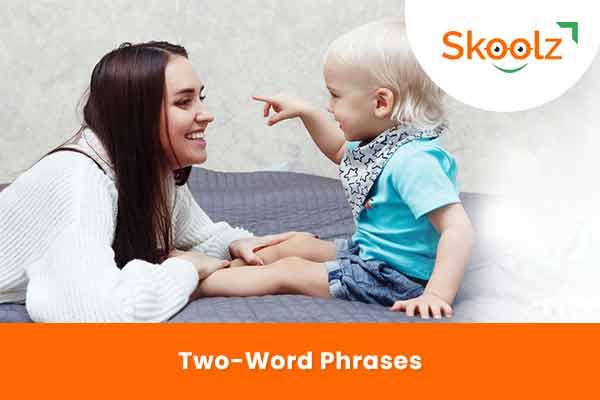
At this stage, children begin combining two words to form simple phrases, such as "more juice," "big dog," or "mommy go." Respond to their two-word phrases with enthusiasm and expand on them by adding one or two more words to model longer sentences.

Two-year-olds can understand and follow simple, two-step instructions, such as "pick up the toy and put it on the table." Give them opportunities to follow instructions and reinforce their comprehension by praising their success.

Children around two years old start using pronouns such as "I," "you," and "me." Model correct pronoun usage in your own speech and gently correct any errors they make. For example, if they say, "Me want a cookie," respond with, "Yes, you want a cookie."

Two-year-olds become more conversational and engage in longer back-and-forth exchanges. Encourage their conversational skills by asking open-ended questions, giving them time to respond, and showing genuine interest in their responses. Expand on their answers by adding details or asking follow-up questions.

Children at this age often engage in imaginative play and begin telling simple stories. Encourage their storytelling skills by providing props, such as dolls or stuffed animals, and engaging in pretend play scenarios together. Ask open-ended questions to stimulate their imagination and help them create narratives.

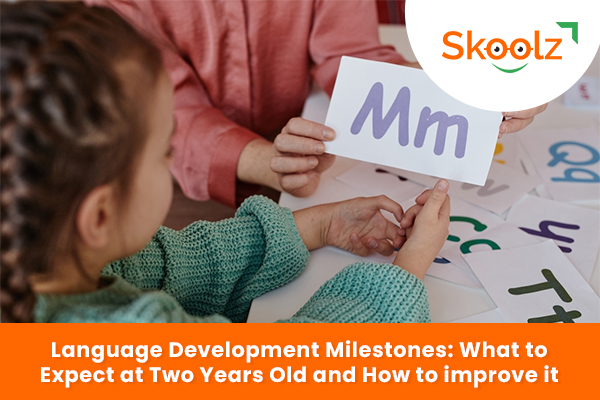
Continue reading aloud to your child regularly and introduce books with more complex stories and sentence structures. Point out letters, words, and pictures while reading, and encourage them to interact with the story by predicting what might happen next. Incorporate rhymes and wordplay into your activities to enhance their phonological awareness.

Create a supportive environment that encourages your child to express their thoughts and feelings. Validate their emotions, provide opportunities for them to share their experiences, and listen actively when they communicate. Avoid correcting every mistake and instead, model correct language usage by repeating their statements using accurate grammar.

By two years old, children should be making steady progress in speech-sound development. Although some errors are common at this age, such as difficulty with certain consonant sounds, consult with a speech-language pathologist if you have concerns about their speech clarity or if their speech is difficult to understand.

Make it a habit to engage in conversations with your child throughout the day. Talk about their experiences, ask open-ended questions, and actively listen to their responses. Create a language-rich environment by exposing them to varied vocabulary, sentence structures, and concepts.
Remember that every child develops at their own pace, so be patient and supportive. If you have concerns about your child's language development or notice significant delays, consider consulting with a pediatrician or a speech-language pathologist for an assessment and further guidance.
Disclaimer
The information in the blogs is intended to offer general guidance on various aspects of toddler development. However, it is essential to note that every child is unique, and individual circumstances may vary. The content in our blogs should not be considered a substitute for professional medical advice. If you observe any critical symptoms or have specific concerns about your child's health, we strongly advise consulting with a qualified pediatrician. We do not assume any responsibility or liability for actions taken based on the information provided. Always seek the expertise of a medical professional for any specific concerns or medical attention your child may require. By accessing our toddler blogs, you acknowledge the importance of consulting with a pediatrician for any critical symptoms or concerns.
Written by:
Swati Sahu
Digital Marketer
At two years old, children continue to make significant progress in their language development. Here are some common milestones you can expect at this age and ways to support and improve their language skills:

By two years old, children typically have a vocabulary of about 200 to 300 words. Encourage their vocabulary growth by consistently labeling objects, actions, and people in their environment. Expand on their words by providing additional descriptive words and phrases.

At this stage, children begin combining two words to form simple phrases, such as "more juice," "big dog," or "mommy go." Respond to their two-word phrases with enthusiasm and expand on them by adding one or two more words to model longer sentences.

Two-year-olds can understand and follow simple, two-step instructions, such as "pick up the toy and put it on the table." Give them opportunities to follow instructions and reinforce their comprehension by praising their success.

Children around two years old start using pronouns such as "I," "you," and "me." Model correct pronoun usage in your own speech and gently correct any errors they make. For example, if they say, "Me want a cookie," respond with, "Yes, you want a cookie."

Two-year-olds become more conversational and engage in longer back-and-forth exchanges. Encourage their conversational skills by asking open-ended questions, giving them time to respond, and showing genuine interest in their responses. Expand on their answers by adding details or asking follow-up questions.

Children at this age often engage in imaginative play and begin telling simple stories. Encourage their storytelling skills by providing props, such as dolls or stuffed animals, and engaging in pretend play scenarios together. Ask open-ended questions to stimulate their imagination and help them create narratives.

Continue reading aloud to your child regularly and introduce books with more complex stories and sentence structures. Point out letters, words, and pictures while reading, and encourage them to interact with the story by predicting what might happen next. Incorporate rhymes and wordplay into your activities to enhance their phonological awareness.

Create a supportive environment that encourages your child to express their thoughts and feelings. Validate their emotions, provide opportunities for them to share their experiences, and listen actively when they communicate. Avoid correcting every mistake and instead, model correct language usage by repeating their statements using accurate grammar.

By two years old, children should be making steady progress in speech-sound development. Although some errors are common at this age, such as difficulty with certain consonant sounds, consult with a speech-language pathologist if you have concerns about their speech clarity or if their speech is difficult to understand.

Make it a habit to engage in conversations with your child throughout the day. Talk about their experiences, ask open-ended questions, and actively listen to their responses. Create a language-rich environment by exposing them to varied vocabulary, sentence structures, and concepts.
Remember that every child develops at their own pace, so be patient and supportive. If you have concerns about your child's language development or notice significant delays, consider consulting with a pediatrician or a speech-language pathologist for an assessment and further guidance.
Disclaimer
The information in the blogs is intended to offer general guidance on various aspects of toddler development. However, it is essential to note that every child is unique, and individual circumstances may vary. The content in our blogs should not be considered a substitute for professional medical advice. If you observe any critical symptoms or have specific concerns about your child's health, we strongly advise consulting with a qualified pediatrician. We do not assume any responsibility or liability for actions taken based on the information provided. Always seek the expertise of a medical professional for any specific concerns or medical attention your child may require. By accessing our toddler blogs, you acknowledge the importance of consulting with a pediatrician for any critical symptoms or concerns.
Written by:
Swati Sahu
Digital Marketer