






As your child enters the age of 1-2 years, their curiosity and exploration know no bounds. While it's an exciting time filled with growth and milestones, it's essential to prioritize their safety. As they become more mobile and independent, taking proactive measures to ensure their well-being is crucial. In this blog, we will explore various aspects of child safety during the ages of 1-2 years, providing you with practical tips and guidance to create a safe environment for your little one. Let's dive in!

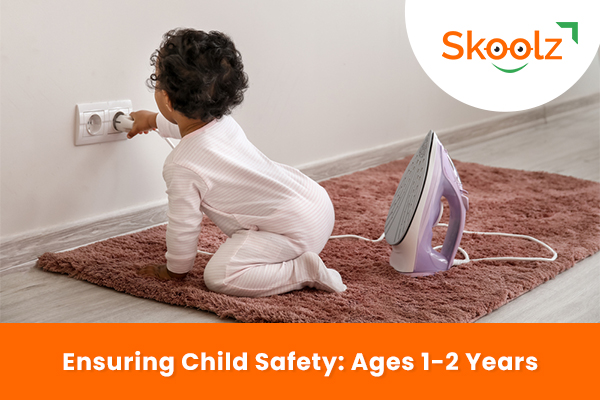
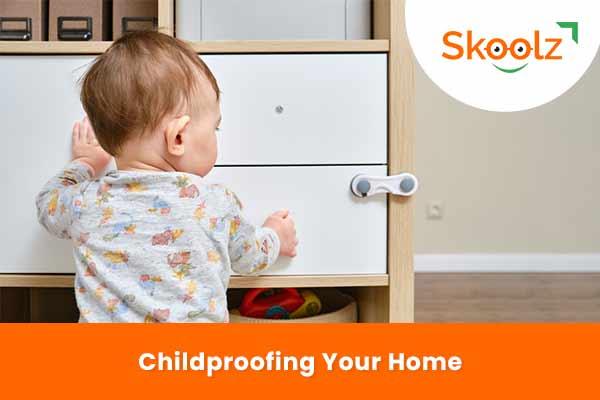
Learn about the key areas and potential hazards in your home that require childproofing. From securing cabinets and electrical outlets to installing safety gates and anchoring furniture, we'll cover essential steps to make your home safe for your active toddler.

Discover the importance of active supervision during this phase of your child's development. We'll discuss strategies to keep a watchful eye on your little one, both indoors and outdoors, and how to anticipate and prevent potential accidents.

Explore safety measures to implement in the kitchen, as it can be a particularly hazardous area for curious toddlers. Tips will include securing appliances, storing hazardous items properly, and promoting safe cooking practices.

Water can be both fun and dangerous for young children. We'll provide insights into water safety measures, such as constant supervision during bath time, pool safety precautions, and the importance of learning CPR.

Creating a safe sleep environment is crucial for your child's well-being. We'll discuss safe sleep practices, including placing your child on their back to sleep, removing suffocation hazards, and ensuring a comfortable and secure sleep space.

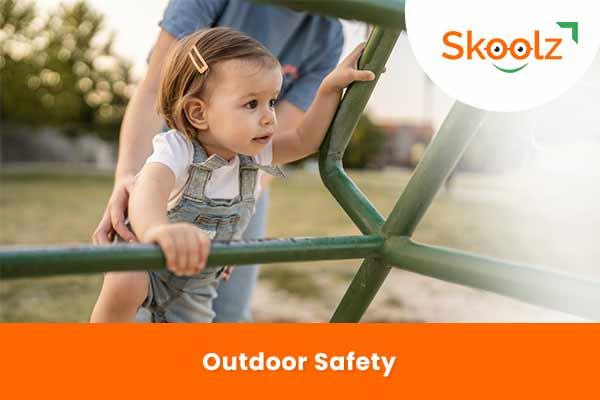
As your child explores the great outdoors, certain safety considerations come into play. We'll address topics such as playground safety, sun protection, insect bite prevention, and staying vigilant in public spaces.
Conclusion:
Ensuring child safety during the ages of 1-2 years requires diligence, preparation, and a proactive approach. By implementing childproofing measures, providing constant supervision, and taking appropriate safety precautions in various settings, you can create a secure environment for your little one to explore and thrive. Remember, every child is unique, and their safety needs may vary. If you have specific concerns or questions, consult with a pediatrician or child safety expert who can provide personalized guidance. Prioritize your child's safety, enjoy their developmental milestones, and embrace the joyous journey of parenthood.
Disclaimer:
This blog is for informational purposes only and should not be considered medical or professional advice. Always consult with qualified experts regarding child safety and development.
FAQs:
Q1: When should I transition my child from a crib to a toddler bed?
A: The transition from a crib to a toddler bed usually occurs between 2-3 years of age, depending on your child's readiness and safety considerations. It's best to follow your child's cues and consult with your pediatrician for guidance.
Q2: How can I ensure my child's safety around pets?
A: Teach your child gentle and appropriate interaction with pets, and never leave them unsupervised together. Educate yourself on pet behavior and body language to recognize signs of stress or discomfort.
Q3: What are some tips for preventing choking hazards?
A: Keep small objects, coins, and foods that pose a choking risk out of reach. Cut food into small, bite-sized pieces, and supervise meals to ensure safe eating.
Q4: How do I teach my child about stranger danger without causing fear?
A: Focus on teaching your child about personal boundaries, body autonomy, and safe behavior rather than instilling fear. Emphasize the importance of seeking help from a trusted adult when needed.
Q5: Are baby walkers safe for my child's development?
A: Baby walkers can pose safety risks and delay motor development. It's best to avoid using baby walkers and encourage natural development through tummy time, crawling, and walking with support.
Q6: What should I do if my child accidentally ingests something toxic?
A: Stay calm and call emergency services or poison control immediately. Follow their instructions and provide any necessary information about the ingested substance. Do not induce vomiting unless instructed to do so by medical professionals.

Bhawana Mohane
Digital Marketer
As your child enters the age of 1-2 years, their curiosity and exploration know no bounds. While it's an exciting time filled with growth and milestones, it's essential to prioritize their safety. As they become more mobile and independent, taking proactive measures to ensure their well-being is crucial. In this blog, we will explore various aspects of child safety during the ages of 1-2 years, providing you with practical tips and guidance to create a safe environment for your little one. Let's dive in!

Learn about the key areas and potential hazards in your home that require childproofing. From securing cabinets and electrical outlets to installing safety gates and anchoring furniture, we'll cover essential steps to make your home safe for your active toddler.

Discover the importance of active supervision during this phase of your child's development. We'll discuss strategies to keep a watchful eye on your little one, both indoors and outdoors, and how to anticipate and prevent potential accidents.

Explore safety measures to implement in the kitchen, as it can be a particularly hazardous area for curious toddlers. Tips will include securing appliances, storing hazardous items properly, and promoting safe cooking practices.

Water can be both fun and dangerous for young children. We'll provide insights into water safety measures, such as constant supervision during bath time, pool safety precautions, and the importance of learning CPR.

Creating a safe sleep environment is crucial for your child's well-being. We'll discuss safe sleep practices, including placing your child on their back to sleep, removing suffocation hazards, and ensuring a comfortable and secure sleep space.

As your child explores the great outdoors, certain safety considerations come into play. We'll address topics such as playground safety, sun protection, insect bite prevention, and staying vigilant in public spaces.
Conclusion:
Ensuring child safety during the ages of 1-2 years requires diligence, preparation, and a proactive approach. By implementing childproofing measures, providing constant supervision, and taking appropriate safety precautions in various settings, you can create a secure environment for your little one to explore and thrive. Remember, every child is unique, and their safety needs may vary. If you have specific concerns or questions, consult with a pediatrician or child safety expert who can provide personalized guidance. Prioritize your child's safety, enjoy their developmental milestones, and embrace the joyous journey of parenthood.
Disclaimer:
This blog is for informational purposes only and should not be considered medical or professional advice. Always consult with qualified experts regarding child safety and development.
FAQs:
Q1: When should I transition my child from a crib to a toddler bed?
A: The transition from a crib to a toddler bed usually occurs between 2-3 years of age, depending on your child's readiness and safety considerations. It's best to follow your child's cues and consult with your pediatrician for guidance.
Q2: How can I ensure my child's safety around pets?
A: Teach your child gentle and appropriate interaction with pets, and never leave them unsupervised together. Educate yourself on pet behavior and body language to recognize signs of stress or discomfort.
Q3: What are some tips for preventing choking hazards?
A: Keep small objects, coins, and foods that pose a choking risk out of reach. Cut food into small, bite-sized pieces, and supervise meals to ensure safe eating.
Q4: How do I teach my child about stranger danger without causing fear?
A: Focus on teaching your child about personal boundaries, body autonomy, and safe behavior rather than instilling fear. Emphasize the importance of seeking help from a trusted adult when needed.
Q5: Are baby walkers safe for my child's development?
A: Baby walkers can pose safety risks and delay motor development. It's best to avoid using baby walkers and encourage natural development through tummy time, crawling, and walking with support.
Q6: What should I do if my child accidentally ingests something toxic?
A: Stay calm and call emergency services or poison control immediately. Follow their instructions and provide any necessary information about the ingested substance. Do not induce vomiting unless instructed to do so by medical professionals.

Bhawana Mohane
Digital Marketer