



logo
+91 9742974283
Emotional Intelligence: Cultivating Self-Awareness, Self-Regulation, Empathy, and Social Awareness

Emotional Intelligence: Cultivating Self-Awareness, Self-Regulation, Empathy, and Social Awareness

Emotional Intelligence: Cultivating Self-Awareness, Self-Regulation, Empathy, and Social Awareness


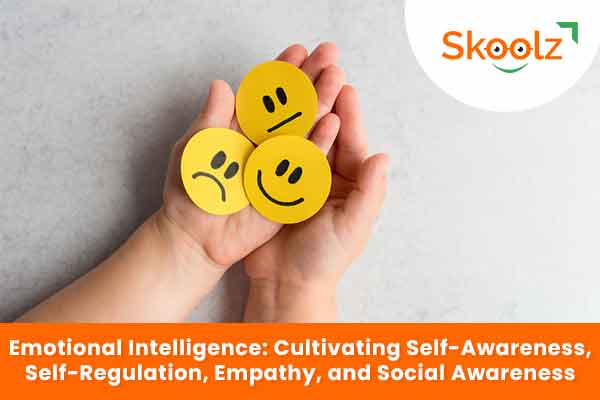
Emotional intelligence is a vital aspect of a student's personal growth and success in both academic and real-life scenarios. At Skoolz.in, we recognize the significance of nurturing emotional intelligence in students. In this blog, we will explore strategies and approaches that parents and educators can use to help students cultivate self-awareness, self-regulation, empathy, and social awareness.

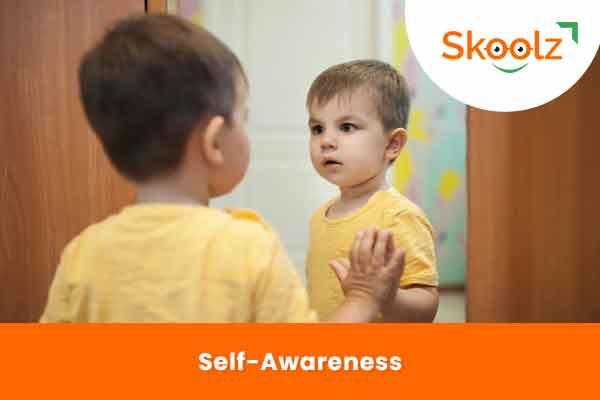
Self-Awareness


  • Emotion Identification: Teach students to recognize and label their emotions, helping them better understand themselves.

  • Mindfulness Practices: Introduce mindfulness techniques to encourage self-reflection and awareness of thoughts and feelings.

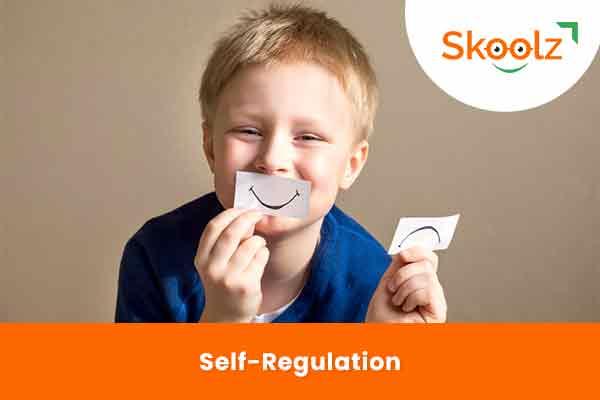
Self-Regulation


  • Emotion Regulation: Guide students in managing their emotions, and practicing techniques to remain calm and composed under stress.

  • Stress Management: Provide stress-relief strategies like deep breathing, time management, and healthy coping mechanisms.

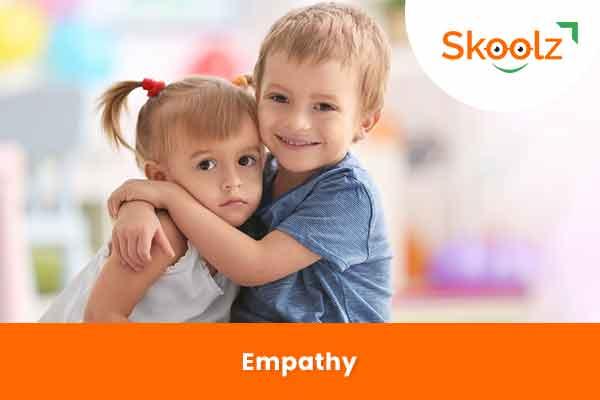
Empathy


  • Perspective-Taking: Encourage students to understand and empathize with the feelings and experiences of others.

  • Literature and Stories: Use literature and stories that depict diverse characters and emotional situations to foster empathy.

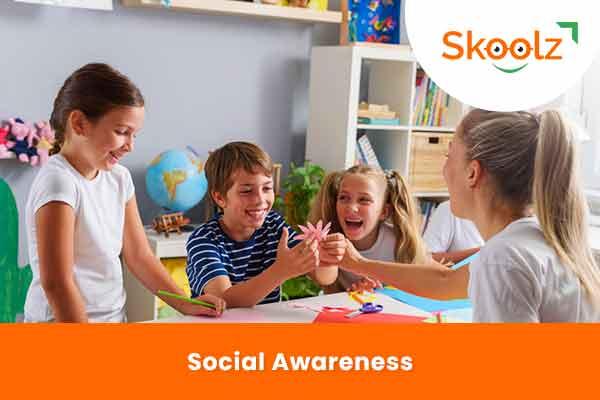
Social Awareness


  • Recognizing Social Cues: Teach students to interpret social cues, body language, and facial expressions to better understand the emotions of others.

  • Community Engagement: Promote involvement in community service and activities that encourage students to interact with diverse groups of people.

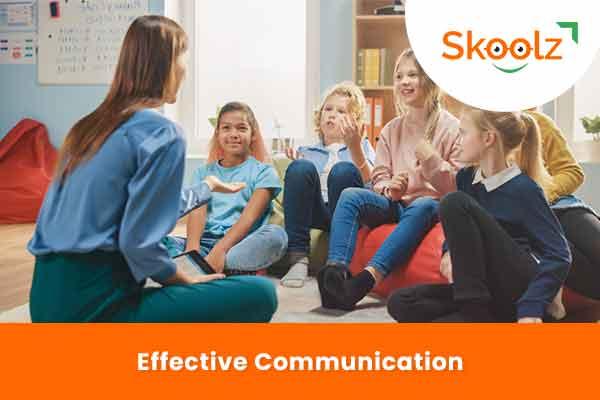
Effective Communication


  • Active Listening: Develop active listening skills to enhance communication and demonstrate respect for others.

  • Conflict Resolution: Teach students to resolve conflicts and disputes through open and empathetic communication.

Resilience and Coping Strategies


  • Building Resilience: Help students develop resilience in the face of challenges, teaching them to bounce back from adversity.

  • Positive Coping: Encourage healthy coping mechanisms, such as seeking support from friends and professionals.

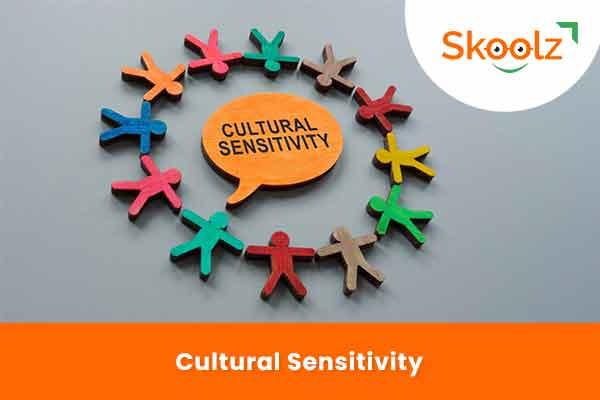
Cultural Sensitivity


  • Multicultural Education: Promote multicultural education that emphasizes the importance of respecting and appreciating different cultural perspectives.

  • Diversity Workshops: Conduct workshops that address diversity and inclusivity to broaden students' social awareness.

Emotional Regulation Tools


  • Emotional Journals: Use journals to help students track and reflect on their emotional experiences.

  • Emotion Coaching: Educators and parents can adopt emotion coaching to support students in understanding and managing their feelings.

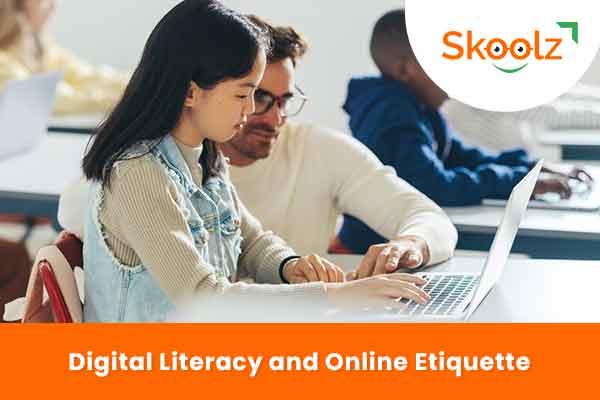
Digital Literacy and Online Etiquette


  • Cyberbullying Prevention: Educate students on recognizing and preventing cyberbullying and maintaining respectful online interactions.

  • Critical Media Literacy: Develop critical media literacy to help students evaluate media messages and understand potential emotional impact.

Parental Involvement


  • Family Discussions: Create an open family environment where emotions and feelings can be discussed openly.

  • Modeling Emotional Intelligence: Parents can model emotional intelligence and provide a healthy example for their children.

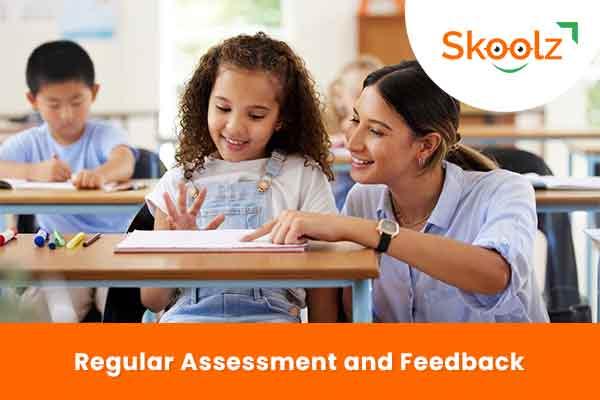
Regular Assessment and Feedback


  • Self-Assessment: Encourage students to self-assess their emotional growth and set personal goals for improvement.


Conclusion:

Cultivating emotional intelligence is a collaborative effort between parents, educators, and the community. Skoolz.in is dedicated to assisting parents and educators in this mission, providing resources and guidance to help students develop self-awareness, self-regulation, empathy, and social awareness. By emphasizing self-awareness, emotional regulation, empathy, and effective communication, students can become emotionally intelligent individuals who are equipped to thrive in their academic and personal lives.


Disclaimer:

The information provided in this blog is for general informational purposes only. While Skoolz.in recognizes the importance of developing emotional intelligence and presents strategies for doing so, the content presented here is meant to be informative and does not constitute psychological or therapeutic advice. The development of emotional intelligence is a complex and individualized process, and its effectiveness may vary based on individual circumstances and needs. We recommend consulting with qualified professionals, including psychologists, counselors, and educators, to tailor these principles to the specific emotional development requirements of students.


In addition, it's important to understand that emotional intelligence development is influenced by various factors, including personal experiences, cultural backgrounds, and unique challenges. Therefore, the strategies presented here may need to be adapted to best suit the diverse emotional landscapes of students.


Frequently Asked Questions (FAQs):

Q1: What are the key components of emotional intelligence, and why is it essential for students?

A1: Emotional intelligence encompasses self-awareness, self-regulation, empathy, and social awareness. It is crucial for students as it helps them navigate their emotions, build positive relationships, and succeed in various aspects of life.


Q2: How can parents identify if their child needs support in developing emotional intelligence, and when should they seek help?

A2: Parents can look for signs such as difficulty in managing emotions, social conflicts, or a lack of empathy. Seeking help from educators or child psychologists is advisable when concerns arise.


Q3: What are some practical strategies for teaching students self-awareness and self-regulation?

A3: Practical strategies include mindfulness practices, emotion journals, and developing emotional regulation tools to help students recognize and manage their feelings effectively.


Q4: How can educators integrate emotional intelligence into the curriculum and classroom environment?

A4: Educators can integrate emotional intelligence by creating a safe and inclusive classroom environment, incorporating emotional literacy into lessons, and teaching conflict resolution and empathy.


Q5: What is the role of digital literacy in teaching emotional intelligence, and how can it be balanced with responsible online behavior?

A5: Digital literacy helps students understand and manage their emotions in the online world. Educators and parents should teach responsible online behavior, including cyberbullying prevention and critical media literacy.


Q6: How can students develop empathy and cultural sensitivity, particularly in diverse and multicultural environments?

A6: Students can develop empathy and cultural sensitivity through activities that promote perspective-taking, exposure to diverse perspectives, and multicultural education.


Q7: What is the connection between emotional intelligence and resilience, and how can students become more resilient in the face of challenges?

A7: Emotional intelligence supports resilience by helping students manage emotions and cope effectively. Building resilience can be achieved through activities that teach stress management and positive coping strategies.


Q8: What are some ways parents can foster open communication about emotions and emotional growth with their children?

A8: Parents can create a supportive environment for open family discussions, actively listen to their children, and model emotional intelligence themselves.


Q9: How can students self-assess their emotional growth, and why is self-assessment important in developing emotional intelligence?

A9: Self-assessment involves reflection on emotional experiences and personal emotional goals, contributing to self-awareness and growth.


Q10: What resources or support are available for students and parents who want to enhance their emotional intelligence?

A10: Schools often provide access to counselors and emotional intelligence programs. Additionally, there are books, online courses, and workshops that can support emotional intelligence development.


We hope that these FAQs provide additional clarity on developing emotional intelligence and assist parents and educators in implementing effective strategies. If you have more questions or need further guidance, please feel free to reach out to Skoolz.in for additional support and information.


 Written by: 

 Swati Sahu

 Digital Marketer


Share :

Explore the Best Schools Near You

Emotional Intelligence: Cultivating Self-Awareness, Self-Regulation, Empathy, and Social Awareness

Emotional Intelligence: Cultivating Self-Awareness, Self-Regulation, Empathy, and Social Awareness


Emotional intelligence is a vital aspect of a student's personal growth and success in both academic and real-life scenarios. At Skoolz.in, we recognize the significance of nurturing emotional intelligence in students. In this blog, we will explore strategies and approaches that parents and educators can use to help students cultivate self-awareness, self-regulation, empathy, and social awareness.

Self-Awareness


  • Emotion Identification: Teach students to recognize and label their emotions, helping them better understand themselves.

  • Mindfulness Practices: Introduce mindfulness techniques to encourage self-reflection and awareness of thoughts and feelings.

Self-Regulation


  • Emotion Regulation: Guide students in managing their emotions, and practicing techniques to remain calm and composed under stress.

  • Stress Management: Provide stress-relief strategies like deep breathing, time management, and healthy coping mechanisms.

Empathy


  • Perspective-Taking: Encourage students to understand and empathize with the feelings and experiences of others.

  • Literature and Stories: Use literature and stories that depict diverse characters and emotional situations to foster empathy.

Social Awareness


  • Recognizing Social Cues: Teach students to interpret social cues, body language, and facial expressions to better understand the emotions of others.

  • Community Engagement: Promote involvement in community service and activities that encourage students to interact with diverse groups of people.

Effective Communication


  • Active Listening: Develop active listening skills to enhance communication and demonstrate respect for others.

  • Conflict Resolution: Teach students to resolve conflicts and disputes through open and empathetic communication.

Resilience and Coping Strategies


  • Building Resilience: Help students develop resilience in the face of challenges, teaching them to bounce back from adversity.

  • Positive Coping: Encourage healthy coping mechanisms, such as seeking support from friends and professionals.

Cultural Sensitivity


  • Multicultural Education: Promote multicultural education that emphasizes the importance of respecting and appreciating different cultural perspectives.

  • Diversity Workshops: Conduct workshops that address diversity and inclusivity to broaden students' social awareness.

Emotional Regulation Tools


  • Emotional Journals: Use journals to help students track and reflect on their emotional experiences.

  • Emotion Coaching: Educators and parents can adopt emotion coaching to support students in understanding and managing their feelings.

Digital Literacy and Online Etiquette


  • Cyberbullying Prevention: Educate students on recognizing and preventing cyberbullying and maintaining respectful online interactions.

  • Critical Media Literacy: Develop critical media literacy to help students evaluate media messages and understand potential emotional impact.

Parental Involvement


  • Family Discussions: Create an open family environment where emotions and feelings can be discussed openly.

  • Modeling Emotional Intelligence: Parents can model emotional intelligence and provide a healthy example for their children.

Regular Assessment and Feedback


  • Self-Assessment: Encourage students to self-assess their emotional growth and set personal goals for improvement.


Conclusion:

Cultivating emotional intelligence is a collaborative effort between parents, educators, and the community. Skoolz.in is dedicated to assisting parents and educators in this mission, providing resources and guidance to help students develop self-awareness, self-regulation, empathy, and social awareness. By emphasizing self-awareness, emotional regulation, empathy, and effective communication, students can become emotionally intelligent individuals who are equipped to thrive in their academic and personal lives.


Disclaimer:

The information provided in this blog is for general informational purposes only. While Skoolz.in recognizes the importance of developing emotional intelligence and presents strategies for doing so, the content presented here is meant to be informative and does not constitute psychological or therapeutic advice. The development of emotional intelligence is a complex and individualized process, and its effectiveness may vary based on individual circumstances and needs. We recommend consulting with qualified professionals, including psychologists, counselors, and educators, to tailor these principles to the specific emotional development requirements of students.


In addition, it's important to understand that emotional intelligence development is influenced by various factors, including personal experiences, cultural backgrounds, and unique challenges. Therefore, the strategies presented here may need to be adapted to best suit the diverse emotional landscapes of students.


Frequently Asked Questions (FAQs):

Q1: What are the key components of emotional intelligence, and why is it essential for students?

A1: Emotional intelligence encompasses self-awareness, self-regulation, empathy, and social awareness. It is crucial for students as it helps them navigate their emotions, build positive relationships, and succeed in various aspects of life.


Q2: How can parents identify if their child needs support in developing emotional intelligence, and when should they seek help?

A2: Parents can look for signs such as difficulty in managing emotions, social conflicts, or a lack of empathy. Seeking help from educators or child psychologists is advisable when concerns arise.


Q3: What are some practical strategies for teaching students self-awareness and self-regulation?

A3: Practical strategies include mindfulness practices, emotion journals, and developing emotional regulation tools to help students recognize and manage their feelings effectively.


Q4: How can educators integrate emotional intelligence into the curriculum and classroom environment?

A4: Educators can integrate emotional intelligence by creating a safe and inclusive classroom environment, incorporating emotional literacy into lessons, and teaching conflict resolution and empathy.


Q5: What is the role of digital literacy in teaching emotional intelligence, and how can it be balanced with responsible online behavior?

A5: Digital literacy helps students understand and manage their emotions in the online world. Educators and parents should teach responsible online behavior, including cyberbullying prevention and critical media literacy.


Q6: How can students develop empathy and cultural sensitivity, particularly in diverse and multicultural environments?

A6: Students can develop empathy and cultural sensitivity through activities that promote perspective-taking, exposure to diverse perspectives, and multicultural education.


Q7: What is the connection between emotional intelligence and resilience, and how can students become more resilient in the face of challenges?

A7: Emotional intelligence supports resilience by helping students manage emotions and cope effectively. Building resilience can be achieved through activities that teach stress management and positive coping strategies.


Q8: What are some ways parents can foster open communication about emotions and emotional growth with their children?

A8: Parents can create a supportive environment for open family discussions, actively listen to their children, and model emotional intelligence themselves.


Q9: How can students self-assess their emotional growth, and why is self-assessment important in developing emotional intelligence?

A9: Self-assessment involves reflection on emotional experiences and personal emotional goals, contributing to self-awareness and growth.


Q10: What resources or support are available for students and parents who want to enhance their emotional intelligence?

A10: Schools often provide access to counselors and emotional intelligence programs. Additionally, there are books, online courses, and workshops that can support emotional intelligence development.


We hope that these FAQs provide additional clarity on developing emotional intelligence and assist parents and educators in implementing effective strategies. If you have more questions or need further guidance, please feel free to reach out to Skoolz.in for additional support and information.


 Written by: 

 Swati Sahu

 Digital Marketer


Share :

  • ADDRESS AND LOCATION
  • 3rd floor, Go spaze, police station, Sarjapur - Marathahalli Rd, above Aishwarya super market, opposite to Bellandur, Bellandur, Bengaluru, Karnataka 560103
  • View Map
  • Register with us & get updates on Upcoming Events, Offers, and New Institutes Nearby.
Register with us & get updates on Upcoming Events, Offers, and New Institutes Nearby.

facebook twitter instagram Linkedin youtube
Whatsapp